
Living with chronic pain can feel like carrying a weight that never gets set down. At first, pain pills may seem like a lifeline. Then, over time, that lifeline can fray. The same dose stops feeling like enough. The relief window shrinks. Side effects start taking up more space in your day than the pain ever did. Soon, it becomes less about living and more about managing the next few hours.
That shift is hard. It can stir up anger, grief, and a quiet kind of fear that sits in the background of everything. Yet, there is still room for hope, especially when the focus moves from “blocking pain” to “changing how pain behaves in the body.”
At that point, acupuncture often comes into play. Not as a last resort or a magic fix, but as a useful choice that many people utilize to ease their pain, calm their nerves, and get their lives back on track. This is a realistic look at how acupuncture can help when painkillers cease working, written in everyday language with realistic expectations.
Why Pain Pills Often Stop Easing Chronic Pain
Painkillers can help, especially after surgery or an injury. Chronic pain, on the other hand, has its own set of laws. As time goes on, a lot of people have the same problems.
How Painkiller Tolerance Reduces Relief Over Time
The body becomes used to some medicines. The same dose doesn’t work as well as it used to. This means that people may need higher dosages to get the same benefit, which can make the risks and side effects worse.
Side Effects That Add A Second Layer Of Suffering
Even when a pill lowers pain, it can come with trade-offs that slowly chip away at daily life, such as:
- Constipation and stomach upset
- Sleepiness and brain fog
- Mood changes
- Lower energy and lower motivation
- Feeling less present with family and friends
When Chronic Pain Rewires Your Nervous System
A aching joint or tight muscle is not the only indicator of chronic pain. The nervous system might become more sensitive with time. Pain might move around, last longer, and get worse when you’re stressed, not sleeping well, or even when the weather changes. The pain level goes up, and the body has a hard time turning it back down.
This is one reason people start searching for care that works with the nervous system, not only against symptoms.
What Acupuncture For Pain Relief Actually Does
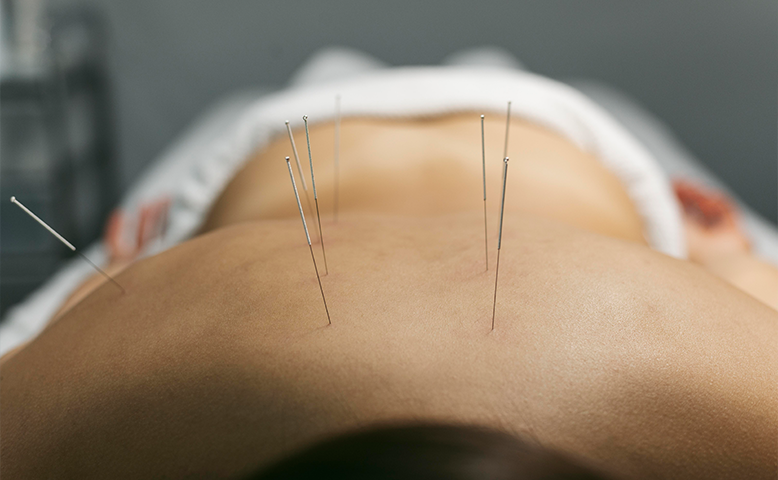
Acupuncture uses very thin needles placed at specific points on the body. The needles are not there to “numb” you. Instead, they aim to shift how your body processes pain and stress. Many people describe it as sending a “reset” signal to a system that has been running on high alert for too long.
People today typically talk of acupuncture as a technique to help the body’s natural pain relief and relaxing processes, such as changes in circulation, muscular tension, and nerve communication. It is also often used to treat both short-term and long-term pain in various parts of the body, such as the lower back, neck, migraines, tension headaches, fibromyalgia, and joint pain.
How Acupuncture Helps When Pills Stop Working
The biggest value of acupuncture is not that it “covers” pain. The value is that it can help your body become less reactive, so pain takes up less space in your day.
1) Calms A Stressed Nervous System
Stress and lack of sleep can go hand in hand with chronic pain. The body might get locked in a cycle of tension, shallow relaxation, and flare-ups, even if the pain originated with an accident. Many people use acupuncture to help them sleep and calm their nervous system, which can make pain feel less intense and less persistent.
2) Helps Muscles Stop Guarding
When pain sticks around, muscles often tighten to “protect” the area. Unfortunately, that guarding can create more pain. Acupuncture can help tight areas soften so movement becomes less threatening and more natural.
3) Supports Steadier Day-To-Day Function
Many people measure success in life terms, not in perfect numbers. Better function can look like:
- Standing long enough to cook a meal
- Walking without planning every step
- Sitting through a meeting without dread
- Waking up with less stiffness
- Getting through errands without paying for it tomorrow
This kind of progress tends to build gradually, which makes it more stable.
4) Fits Into A Broader Plan, Not A Replacement For Everything
When you have chronic pain, the best long-term effects frequently come from stacking tiny wins, such as sleeping better, being able to move more easily, having fewer flare-ups, and being less afraid of exercise. Along with physical therapy, strength training, pacing, stress management, and medical advice, acupuncture can be a part of that plan.
What A Realistic Acupuncture Timeline Looks Like
A useful way to think about acupuncture is “trend over time” rather than “instant fix.” Some people feel changes quickly. Others notice subtle shifts first, like improved sleep or a calmer mood, then pain changes later.
Common early signs that the body is responding include:
- Fewer spikes in pain intensity
- Longer gaps between flare-ups
- Less muscle tightness around the painful area
- Better sleep quality
- Less irritability and less nervous-system “buzz.”
- More confidence in movement
Progress can be uneven. A good week may be followed by a rough day. That does not erase the gains. It simply reflects how sensitive chronic pain can be while the body is learning a new pattern.
What To Expect At An Acupuncture Visit For Pain
A solid chronic pain approach usually starts with a detailed intake. The practitioner looks at the full picture, including:
- Where the pain started and how it changed
- Triggers and patterns across the day
- Sleep, digestion, stress load, and energy
- Past treatments and what helped even a little
- Movement limits and flare-up behavior
Treatment can include standard acupuncture and sometimes related methods that are commonly used for pain care.
Acupuncture, Electro Acupuncture, And Cupping Options
- Electroacupuncture: A small current runs between needles. It is often compared to a stronger, more targeted version of a TENS unit and is used for acute and chronic pain.
- Cupping: Cups create suction on the skin to increase blood flow and ease muscular soreness and tension.
- Herbal consultation: Some clinics offer Chinese herbal formulas prepared through established herbal pharmacies.
Not every person needs every method. Still, knowing what exists can help you understand why one plan may feel different from another.
Safety, Comfort, And What Acupuncture Needles Feel Like
People who have never had acupuncture before often think it would hurt. In practice, the needles are very thin, and the feeling is usually mild. A lot of people experience a little pinch, then a dull discomfort, warmth, heaviness, or tingling that goes away fast. Some people don’t even notice the needle.
Safety is important. People with chronic pain typically have to contend with tiredness, anxiety, or complicated medical histories. An attentive practitioner employs clean technique, checks on your comfort constantly, and changes the way they work when your body feels too much.
It’s also crucial to tell the plan if you have a bleeding issue, a pacemaker, or are pregnant.
How To Choose An Acupuncturist For Lasting Pain Relief
When pain has already stolen so much, you need to feel that getting help is worth it. Look for signs that the practitioner consistently deals with chronic pain and can describe their strategy in simple terms.
Strong signs include:
- Training and licensure are clearly stated
- Experience with common chronic pain conditions
- A structured intake that treats you like a whole person, not a symptom
- A plan that focuses on function, sleep, stress load, and flare control
- Willingness to coordinate with your other providers when needed
If evidence matters to you, it also helps to work with someone who values research and stays current with best practices in pain care.
Simple Daily Habits That Help Acupuncture Work Better
Acupuncture can do a lot, yet your daily habits can make the results more stable. The goal is not perfection. The goal is fewer flare-ups and more good days.
Helpful supports include:
- Pacing: stopping activity before the crash, not after
- Heat and gentle movement: easing stiffness without forcing big stretches
- Sleep routine: consistent wake time, dim lights at night, less late screen time
- Simple nutrition: steady protein, fiber, and hydration to reduce inflammation swings
- Stress downshifts: slow breathing, quiet walks, short breaks that calm the body
These steps are not “extra credit.” They are part of teaching the nervous system that it no longer has to stay in fight mode all day.
Is Acupuncture Worth Trying When Pills Fall Short?
It can feel like the floor slips out when pain medicines cease functioning. A different path can still open up, one that focuses on modifying the body’s pain patterns instead of looking for quick relief. Acupuncture is a useful alternative for a lot of people with chronic pain, especially when their nervous system is always on high alert, and their regular activities are getting limited. People in Portland recognize Cascade Mist Acupuncture for its research-based approach to therapy. Dr. Scott Mist has more than 25 years of expertise and has done NIH-funded research on Traditional Chinese Medicine.